
Uncomfortable Truths About Menopause Weight Gain
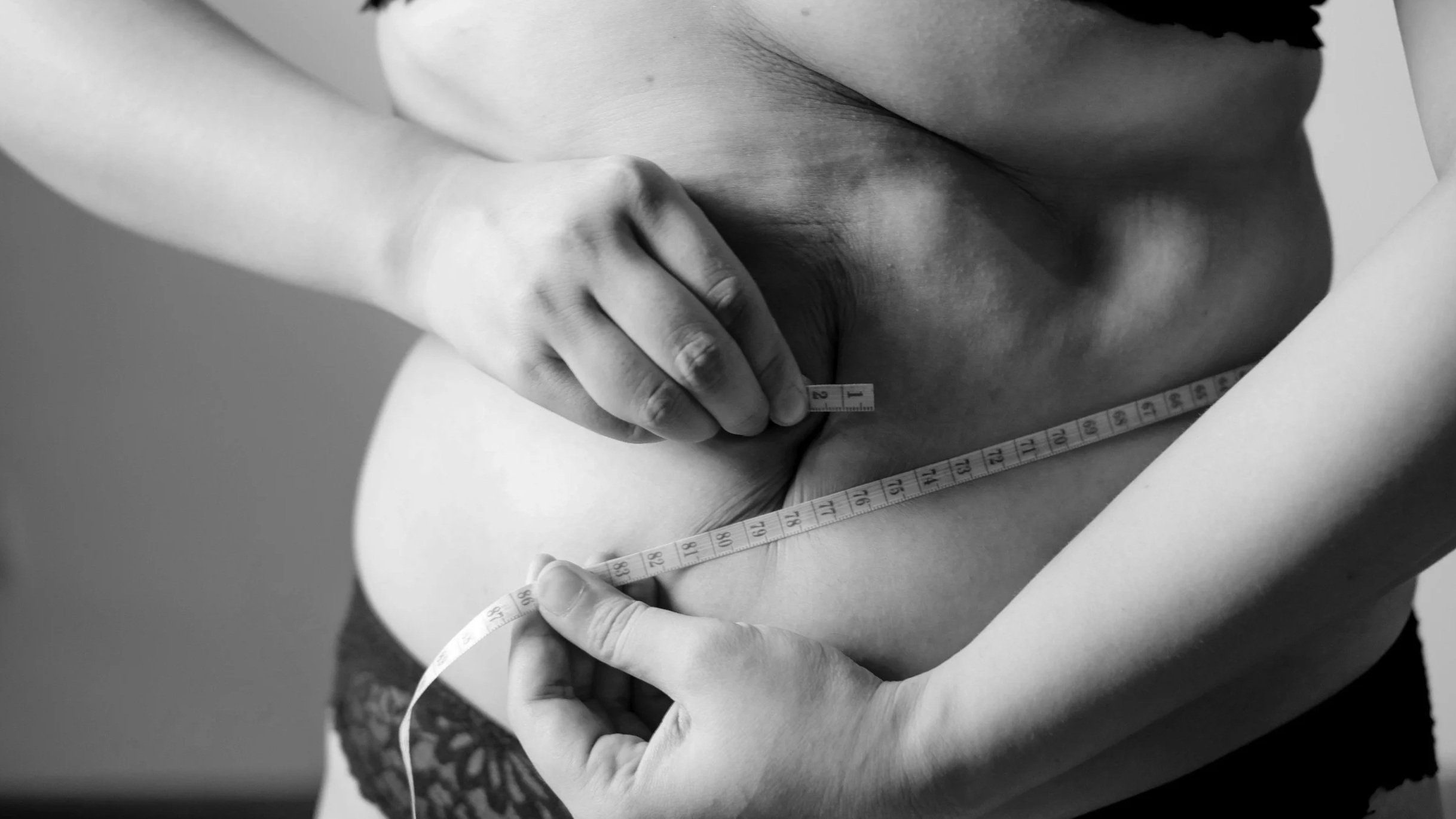
Menopause is a pivotal phase in a woman's life, signalling the conclusion of her reproductive years. Yet, while this natural transition is inevitable, it often comes with challenges, particularly the frustrating reality of weight gain. Many women notice an increase in weight during menopause, despite maintaining their usual diet and exercise routines. This unanticipated change can lead to confusion and frustration, but understanding its root causes allows for a more informed approach to managing it.
1. Hormonal Shifts Have Profound Effects
One of the main contributors to menopause-related weight gain is the decline in estrogen levels. Estrogen is not just central to reproductive health, it also plays a significant role in fat distribution. Studies have shown that when estrogen levels drop, body fat tends to accumulate in the abdominal region rather than the hips and thighs. This isn’t just a cosmetic issue; abdominal fat, or visceral fat, is metabolically active and is linked to higher risks for cardiovascular disease, type 2 diabetes, and other metabolic conditions. Hormonal therapies or lifestyle adjustments may help mitigate this change, but the shift is a biological reality for most women.
2. Aging Brings a Slower Metabolism
Metabolic rate, which determines how many calories your body burns at rest, naturally declines over time. Research highlights that after the age of 30, muscle mass begins to decrease by roughly 3–8% per decade, a process known as sarcopenia. This loss accelerates during menopause. Muscle tissue burns more calories than fat at rest, so as muscle mass decreases, so does calorie expenditure. Without adjustments to caloric intake or physical activity, weight gain becomes more likely- even if you’re eating and exercising the same way you did in your 30s or 40s.
3. Sleep Disruptions Exacerbate Weight Gain
Menopause often brings sleep challenges, with studies estimating that 40–60% of menopausal women experience sleep disturbances such as insomnia and night sweats. Sleep deprivation is a well-known risk factor for weight gain because it disrupts hormonal regulation of appetite. Specifically, reduced sleep increases ghrelin, the hormone that stimulates hunger, and decreases leptin, the hormone that signals fullness. Additionally, poor sleep is linked to fatigue, which can reduce motivation for physical activity and make it harder to resist high-calorie, convenience foods.
4. Stress and Cortisol's Role in Fat Storage
Midlife often coincides with increased stress, whether from career transitions, caregiving responsibilities, or financial pressures. Chronic stress triggers an overproduction of cortisol, a hormone vital for managing stress but problematic when elevated long-term. Elevated cortisol levels are strongly linked to abdominal fat accumulation, as studies suggest that cortisol favours fat storage around the midsection. Combined with emotional eating, a common coping mechanism for stress- this creates a perfect storm for unintentional weight gain.
5. The Limits of Exercise Alone
For women who’ve relied on cardio-heavy workout routines to manage their weight, menopause presents a startling realisation, exercise alone is often insufficient. Resistance or strength training becomes essential during this phase, as it helps preserve and build muscle mass, counteracting age-related sarcopenia. Without incorporating resistance-based exercises like weightlifting or bodyweight training, the slowing metabolism and muscle loss associated with menopause can make sustainable weight management much more challenging.
A Comprehensive Approach to Managing Menopause Weight Gain
Although these truths can feel uncomfortable, they also provide a roadmap for meaningful change. Menopause weight gain is not a reflection of personal failure but rather a biological response to hormonal, metabolic, and lifestyle factors. Addressing it requires a multifaceted approach tailored to the needs of your changing body.
Prioritise Nutrient-Dense Foods: A diet rich in lean protein, high-fibre vegetables, whole grains, and healthy fats supports muscle maintenance and prevents blood sugar spikes. Limiting added sugars and refined carbohydrates can also mitigate excessive fat storage.
Strength Train Regularly: Incorporate weight-bearing and resistance exercises into your fitness routine to preserve muscle mass and support metabolic health.
Sleep Hygiene Matters: Establishing a consistent nighttime routine, minimising screen time before bed, and addressing sleep disruptions can help improve both sleep quality and hormonal balance.
Stress Management: Practices like mindfulness, yoga, or guided meditation can reduce cortisol levels and lessen the impact stress has on your weight.
Realistic Expectations : Understand that weight management during menopause may not mean losing all the weight gained but rather focusing on body composition, strength, and overall health outcomes.
Menopause weight gain is a biological reality, not a weakness or personal flaw.
By adapting your lifestyle to align with these changes, you can create a sustainable plan that improves not just your physical health, but your quality of life.
If you’re ready to take control and understand what your body needs at this stage of life, reach out. Together, we’ll develop a strategy tailored to you, empowering you to thrive through menopause with confidence.
My signature program, the Perimenopause Reset is designed to improve your strength, energy, and overall health in a way that fits seamlessly into your lifestyle.
What is possible for you in 12 weeks...
Imagine this:
✔ Finally feel in control- your reflection in the mirror matches the person you’ve always wanted to see. Shift unwanted body fat, uncover lean muscle, and transform your body composition in a way that feels empowering and realistic but not overwhelming.
✔ Reignite your energy- wake up each day feeling unstoppable, fuelled by vitality, and capable of taking on anything. No more dragging through the day; rediscover the zest you thought was gone.
✔ Strengthen your foundation- learn how to protect and improve your bone health and pelvic floor, ensuring you're not just reshaping your body, but fortifying it for the long-term.
✔ Cultivate lasting change- build habits that stick, empowering you to lead a life of confidence and control, not just for the 12 weeks, but for years to come. This is about becoming the best version of yourself and reclaiming the life you deserve.
If you are keen to learn more, follow the link below to learn more about how we can work together.