The Benefits of the Mediterranean Diet for Menopause
As a Greek Australian, Mediterranean food has always felt like home to me.
I was born in Australia, but my family moved back to Greece when I was three years old, and I spent much of my childhood growing up in a small village in the mountains surrounded by family, fresh food, and a culture where meals were never rushed.
Food wasn’t about dieting.
It wasn’t about restriction.
And nobody counted calories.
It was about connection, nourishment, simplicity, and eating foods that came from the land around us.
I still remember watching my yiayia and theas rolling filo pastry by hand, slow-cooking vegetables in olive oil, grilling fish, baking bread, making yogurt from fresh milk, and spending hours preparing meals that brought everyone together around the table.
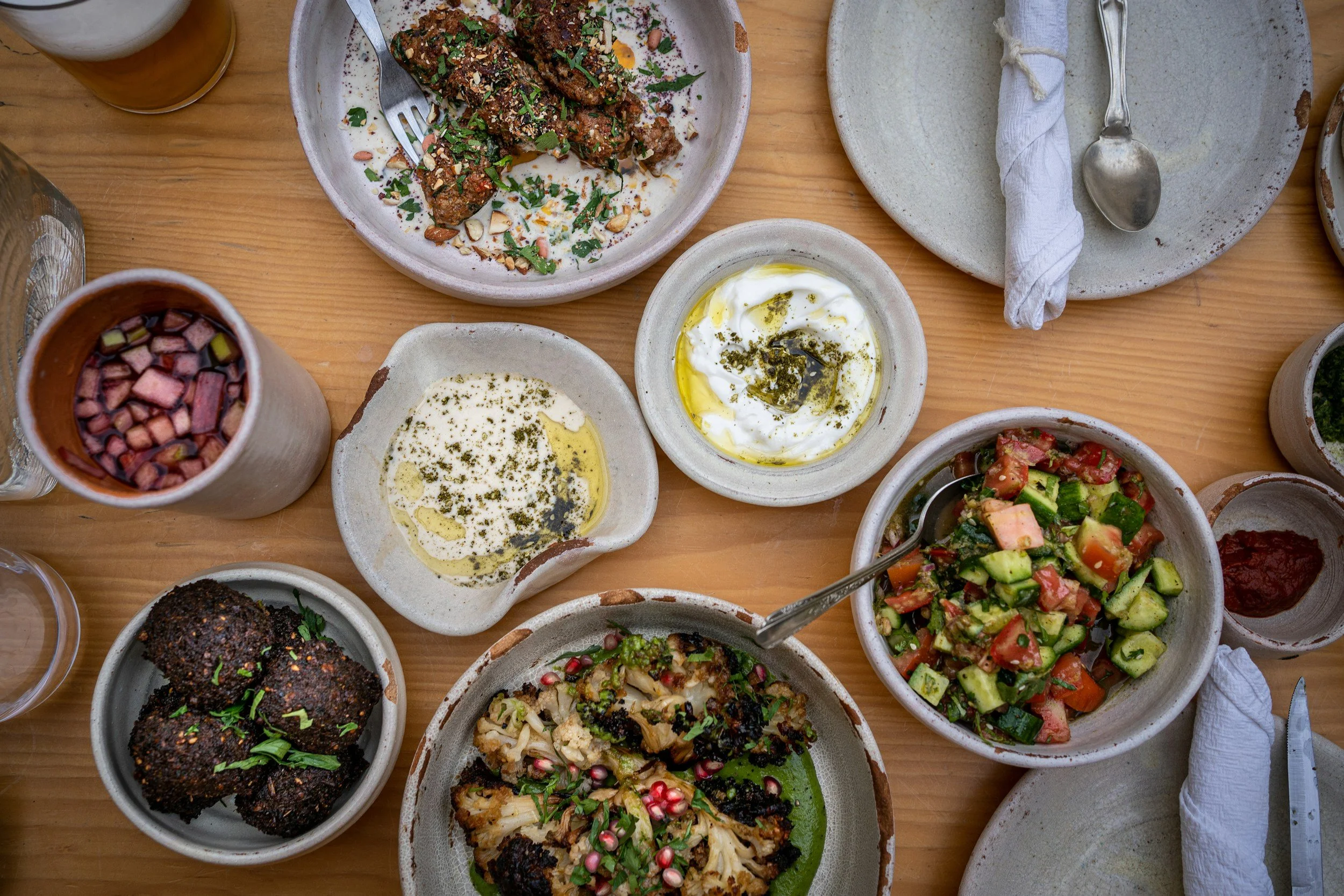
Looking back now - especially working in women’s health and menopause - I realise how much that style of eating aligns with what the evidence now tells us about supporting women through midlife.
And honestly?
I think many women have become disconnected from this way of eating.
Instead, they’ve been taught to fear food, obsess over calories, and constantly chase weight loss , particularly during perimenopause and menopause, when their bodies already feel unfamiliar and frustrating enough.
But here’s what I want women to understand:
Perimenopause is not the time to eat less and punish your body harder.
It’s the time to support it differently.
Perimenopause Changes More Than Hormones
One of the biggest misconceptions about menopause is that it’s only about symptoms like hot flushes or mood swings.
But what’s happening beneath the surface is much bigger than that.
During perimenopause and menopause, women become more vulnerable to changes in:
✔ muscle health
✔ bone density
✔ metabolic health
✔ insulin sensitivity
✔ inflammation
✔ energy regulation
This is exactly why I speak so much about what I call the Midlife Health Trifecta:
Muscle • Bone • Metabolism.
Because these systems influence how women feel, function, move, and age long term.
And nutrition plays a huge role in supporting all three.
Why I Love the Mediterranean Approach for Midlife Women
What I love most about the Mediterranean way of eating is that it focuses on adding nourishment in — rather than constantly taking things away.
It encourages:
vegetables
legumes
olive oil
seafood
whole grains
nuts and seeds
quality proteins
fibre-rich foods
Not because they’re “low calorie.”
But because they support the body properly.
And during perimenopause, that matters.
Research consistently shows Mediterranean-style eating patterns are associated with better cardiovascular health, improved metabolic markers, reduced inflammation, and better long-term health outcomes. ()
But clinically, what I often notice in women is this:
When they stop under-eating…
stop constantly dieting…
and start eating in a way that actually supports muscle, energy, recovery, and blood sugar stability…
their body often responds much better.
Not overnight.
Not through punishment.
But through consistency and nourishment.
The Midlife Shift Women Need To Make
Many women entering perimenopause panic when their body composition changes.
So they:
eat less
overexercise
increase cardio
cut carbs
skip meals
But often this just leaves them:
exhausted
under-fuelled
losing muscle
feeling flat
more metabolically stressed
Instead, I encourage women to start thinking differently.
Rather than asking:
“How little can I eat?”
Ask:
“How well am I supporting my body?”
Because the goal during menopause should not simply be weight loss.
The goal should be:
✔ maintaining muscle
✔ protecting bone health
✔ supporting metabolism
✔ improving energy
✔ reducing frailty risk
✔ feeling physically capable long term
And this is where Mediterranean-style eating can work beautifully alongside resistance training and lifestyle intervention.
Some Simple Mediterranean-Inspired Habits To Start Today
You do not need to overhaul your life overnight.
Start small.
A few practical things I often encourage women to focus on are:
✔ building meals around protein first
✔ adding olive oil, nuts, seeds, and healthy fats
✔ eating more fibre-rich whole foods
✔ reducing ultra-processed foods where possible
✔ including legumes and seafood regularly
✔ prioritising meals that keep blood sugar stable
✔ slowing down and actually enjoying food again
Simple.
Sustainable.
Supportive.
Final Thoughts
I think many women are exhausted from feeling like they’re constantly fighting their body during midlife.
But perimenopause is not a sign your body is broken.
It’s a physiological transition that requires a different strategy.
And for me, the Mediterranean way of eating represents something much bigger than just nutrition.
It represents:
nourishment
strength
longevity
connection
and supporting the body with care rather than punishment
And honestly?
I think more women deserve that approach.
Want Support Navigating Perimenopause?
If you’d like support with evidence-based exercise and lifestyle strategies focused on muscle, bone, and metabolic health during perimenopause and menopause, I’d love to help.
Learn more about working with me:
➡️ Explore The Perimenopause Reset
➡️ Connect with me on Instagram @menopause_exercisephys
Because how you support your body during midlife matters.

Words of wisdom:
The Mediterranean diet offers you the chance to enjoy food without guilt or obsessing over calories- this is not beneficial for your mind or body. Rather than focusing on the items you should be cutting out, shift your mindset to the amazing array of foods you could be adding.